- Easy Purchase From China
- 0086-13806219542
- info@atlantic-promo.com

The 2026 Playbook for Promotional Products – Sustainability, Tech, and the Experience Economy
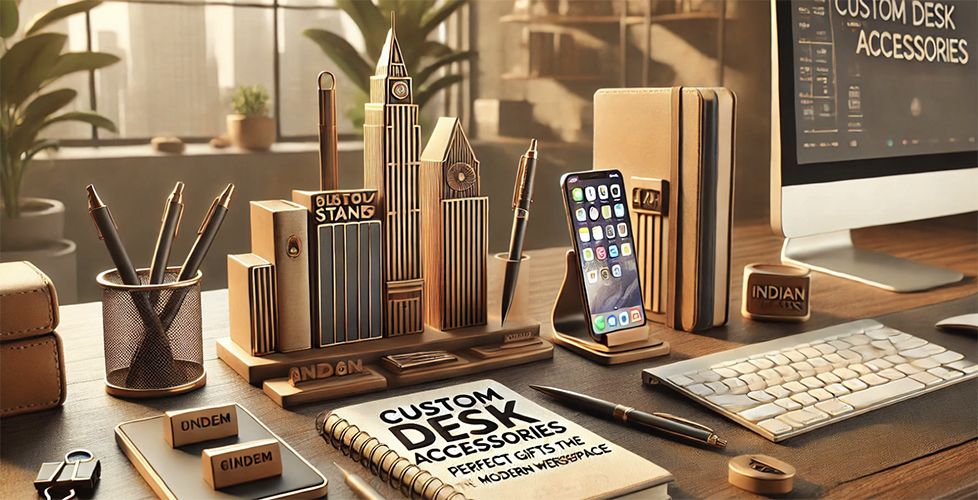
For decades, the promotional products industry has been the bedrock of tangible marketing. From the rubber stress ball to the branded pen, these items have served as physical reminders of a brand’s existence. However, as we look toward 2026, the industry is undergoing a seismic shift. It is no longer enough to simply hand out an item with a logo; today’s discerning American consumer demands value, utility, and a story.
As we approach the new year, here are the critical trends that will define the promotional products landscape in 2026.
1. Radical Sustainability: From Greenwashing to Full Traceability
Sustainability is no longer a niche selling point; it is a baseline expectation. But in 2026, the conversation moves beyond “eco-friendly” materials.
Circular Economy Products:** Clients are moving away from biodegradable items (which often require industrial composting) and toward products designed for a circular economy. Think promotional items made from ocean-bound plastics, agricultural waste (like wheat straw or coffee husks), or recycled textiles that can be easily recycled again at the end of their life.
Supply Chain Transparency:** The “who made it?” question is paramount. American companies are demanding full visibility into their supply chain. Brands will favor suppliers who can provide verifiable data on fair labor practices and carbon footprint reduction. A t-shirt isn’t just organic; it needs to be certified Fair Trade and carbon-neutral in its shipping.
2. The “Techcessory” Boom: Wearables and Smart Integration
As technology becomes more integrated into our daily lives, the accessories that accompany it are prime real estate for branding. We call this the rise of the “Techcessory.”
Beyond the Power Bank:** While portable chargers remain a staple, 2026 will see a rise in multi-functional tech items. Think magnetic wallet mounts with built-in stand functionality, cable organizers that double as keychains, or high-quality webcam covers and laptop sleeves for the hybrid workforce.
Personal Audio:** With the death of the headphone jack firmly in the rearview mirror, high-quality, branded Bluetooth earbuds and ruggedized speakers are becoming the new premium giveaways for top-tier clients and employee milestones.
3. The “Experience Economy” Embodied
In a digital world, physical touchpoints are powerful. In 2026, promotional products will act as the bridge to the “Experience Economy.”
QR Codes are Permanent:** The QR code is here to stay, but it has evolved. It’s no longer just a black-and-white square. In 2026, expect to see digitally printed, custom-designed QR codes integrated aesthetically into product design. Scanning the code on a branded Yeti cup might lead to a playlist, an AR filter, or a gated piece of video content.
Augmented Reality (AR) Unlocks:** Products will serve as keys. A branded poster or coaster might trigger an augmented reality game or a 3D product demo when viewed through a smartphone. This transforms a static object into an interactive portal.
4. Hyper-Personalization at Scale
Variable data printing has been around for a while, but advances in digital decoration (like DTF and DTG printing) and laser engraving are allowing for mass customization that feels bespoke.
Individualization:** Why give 500 people the same notebook when you can give them 500 notebooks that feel personal? In 2026, we will see a surge in campaigns where the recipient’s name, a specific date, or a unique code is printed directly onto the product, not just a peel-off label.
AI-Driven Selection:** Distributors are beginning to use AI tools to match products to recipient personas based on industry, location, and past behavior. This ensures that the “swag” bag sent to a remote software developer in Austin is radically different from the one sent to a construction foreman in Ohio.
5. Elevated Wellness and Mental Health
The post-pandemic focus on mental and physical health continues to mature. The corporate world is increasingly focused on burnout Biophilic Design:Products that bring nature indoors are trending. Think branded desk plants that are actually maintainable (like air plants or succulents), seed paper planting kits, or desktop fountains.
Ergonomics for the Home Office:** As hybrid work solidifies its place in American culture, the home office remains a key target. Look for high-end lumbar support cushions, ergonomic wrist rests, and blue-light-blocking glasses that don’t look like medical devices but rather fashionable accessories.
6. “Forever” Items Over Disposable Trinkets
The era of the cheap, flimsy giveaway is ending. The cost of shipping and the cultural shift toward minimalism mean that recipients only want items they will actually use for years.
Heritage Quality:** There is a growing preference for “investment pieces”—items that feel like they belong in a home, not a junk drawer. High-quality ceramic mugs with a reactive glaze, premium stainless steel growlers, and heavy-weight cotton hoodies are taking precedence over their cheaper counterparts. The goal is brand longevity; if the recipient loves the item, they will be a walking billboard for years.
Conclusion
For the US promotional products industry, 2026 is the year of **intentionality**. The random pen cup on the reception desk is being replaced by a curated package delivered to the door. The logo is no longer the star of the show; the product is, and the logo is a welcome guest.
By embracing sustainability that is verifiable, technology that is useful, and personalization that is genuine, brands can ensure their promotional products don’t end up in a landfill, but rather, integrated into the daily lives of their most valued audiences.