- Easy Purchase From China
- 0086-13806219542
- info@atlantic-promo.com

Lead Time, MOQ, and Pricing: What Buyers Should Know About Promotional Product Manufacturing in China
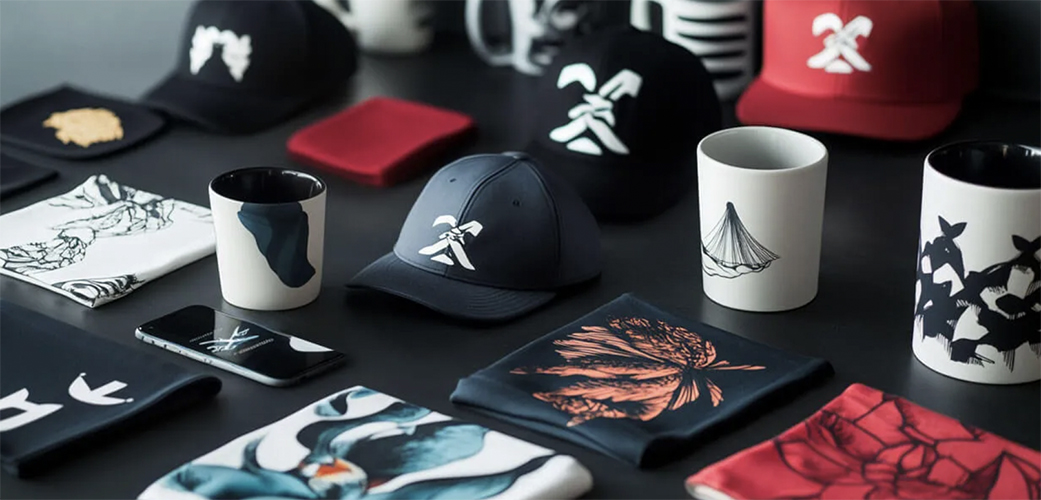
When sourcing promotional products from China, three operational variables determine the success of your project: Minimum Order Quantity (MOQ), production lead time, and pricing structure. These factors directly impact cash flow planning, campaign scheduling, inventory strategy, and overall profitability.
For distributors, importers, and marketing agencies in the USA and Europe, understanding how Chinese factories calculate and manage these elements is essential to avoiding delays, unexpected cost increases, or margin erosion.
1. Minimum Order Quantity (MOQ)
MOQ is often misunderstood as a rigid number imposed by factories. In reality, it is based on production economics and operational efficiency. Manufacturers calculate MOQs to ensure that setup costs and material procurement remain financially viable.
Why Factories Require MOQs
Common cost drivers behind MOQs include:
Printing plate or screen setup fees (for silk screen or heat transfer printing)
Embroidery digitizing costs
Fabric dye lot minimums to maintain color consistency
Injection molding machine setup time
Custom packaging production minimums
Raw material bulk purchasing requirements
For example, producing 300 custom tote bags may cost nearly the same setup time as producing 3,000 units. The difference lies primarily in material volume, which is why factories encourage higher quantities to spread fixed costs.
Can MOQs Be Negotiated?
In many cases, yes — but under specific conditions:
Repeat orders with stable forecast volumes
Standard product models with minor logo customization
Off-season production windows
Flexible packaging options
An experienced sourcing partner such as Atlantic Promo Limited understands how to negotiate practical MOQ solutions while maintaining factory relationships and production efficiency.
2. Production Lead Time
Production lead time is the total time required from order confirmation to goods ready for shipment. This does not include international transit time, which must be added separately for campaign planning.
Key Factors Affecting Lead Time
Lead time varies depending on:
Product complexity
Customization level
Order quantity
Raw material availability
Factory workload
Peak season production pressure
For promotional products, typical manufacturing timelines are:
15–25 days for simple textile items such as tote bags or caps
25–35 days for multi-component products like insulated drinkware or electronic accessories
40–60+ days for fully customized mold development projects
Peak Season Considerations
The period between August and November is traditionally high season due to holiday promotions and year-end corporate gifting programs. During this time, production schedules fill quickly and lead times extend.
Professional production planning should include:
Early artwork confirmation
Fast sample approval turnaround
Clear shipping mode decision (sea vs. air freight)
Buffer time for customs clearance
Without proactive coordination, even small approval delays can push delivery dates beyond marketing campaign deadlines.
3. Pricing Structure in Promotional Product Manufacturing
Understanding pricing components provides transparency and improves negotiation outcomes. Chinese factory quotations are typically built from the following cost layers:
Core Cost Components
Raw Material Cost – Fabric, plastic resin, stainless steel, silicone, or electronic components.
Labor Cost – Cutting, sewing, assembly, quality inspection.
Decoration Cost – Printing, embroidery, laser engraving, UV printing, molding.
Packaging Cost – Poly bags, gift boxes, instruction manuals, export cartons.
Quality Control Cost – Internal inspection and external third-party testing if required.
Export Documentation & Logistics Handling – Documentation preparation and coordination.
Volume-Based Pricing
Promotional products operate on a tiered pricing structure. Higher order quantities reduce per-unit cost because:
Fixed setup fees are distributed across more units
Bulk raw material purchasing reduces supplier cost
Production efficiency improves during longer runs
Therefore, forecasting larger consolidated orders often generates stronger margins compared to multiple small batch purchases.
Hidden Cost Risks to Avoid
Buyers should carefully confirm:
Whether tooling fees are one-time or recurring
If packaging upgrades affect carton dimensions (impacting freight cost)
Whether compliance testing is included or additional
If tariff classifications are properly confirmed
Transparency in quotation breakdowns reduces financial surprises later in the process.
The Strategic Advantage of Structured Sourcing
Managing MOQ, lead time, and pricing requires operational coordination across factory production, quality inspection, and logistics scheduling.
Working with a structured sourcing partner like Atlantic Promo Limited provides:
Realistic production scheduling
Cost optimization through consolidated purchasing
Professional quality control management
Accurate landed cost estimation
Long-term supplier stability
Rather than treating each order as an isolated transaction, strategic sourcing creates supply chain consistency and predictable margins.
MOQ, production lead time, and pricing structure are not obstacles — they are operational parameters that define manufacturing efficiency in China.
Buyers who understand these mechanisms can:
Plan marketing campaigns with precision
Improve inventory turnover
Negotiate pricing strategically
Reduce supply chain risk
Protect profit margins
With proper forecasting, transparent communication, and disciplined supplier management, sourcing promotional merchandise from China becomes a structured, scalable, and highly cost-effective procurement solution for USA and European markets.